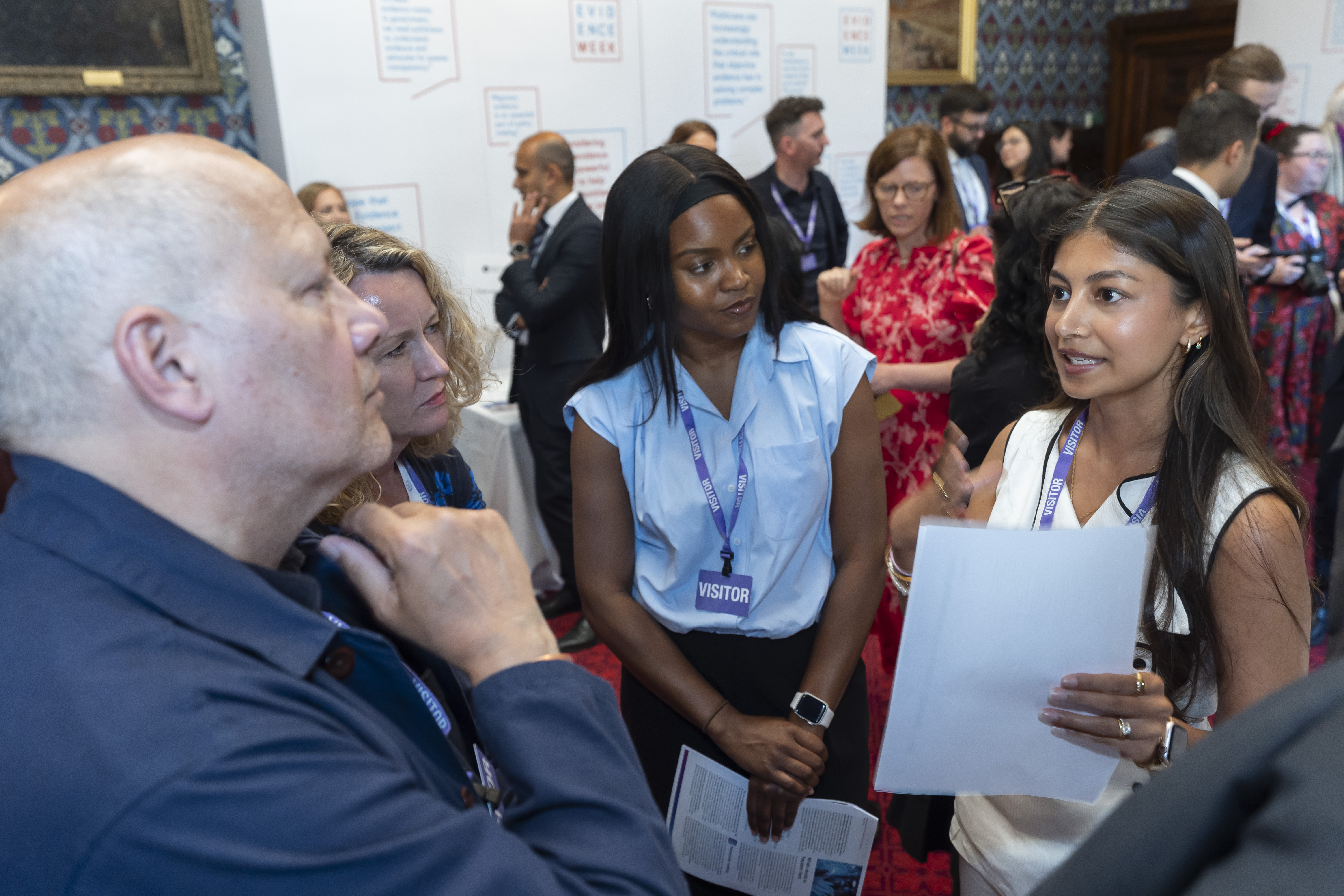


On 14 September 2026, NeuroWare was delighted to officially launch the UK Roadmap for Neuromorphic Computing: 2050 Vision, bringing together researchers, industry leaders, policymakers and innovation stakeholders from across the UK neuromorphic computing community.
The roadmap represents an important milestone for the field, setting out a long-term vision for how the UK can build on its existing strengths in neuromorphic computing and develop the capabilities needed to become a global leader in this emerging technology area.
Neuromorphic computing draws inspiration from the architecture and operation of the brain, enabling information processing that is significantly more energy efficient than conventional computing approaches. While the UK already has considerable research expertise in the field, maintaining international competitiveness will require coordinated action across research, innovation, skills, policy and investment.

Developed through extensive engagement with more than 100 stakeholders from academia, industry, government and the wider innovation ecosystem, the roadmap charts a path to 2050 through five strategic themes and associated aims, identifying actions for government, academia and industry in the near, medium and long term.
The launch event opened with remarks from Professor John Mitchell, Head of UCL Electronic and Electrical Engineering, and Professor Tony Kenyon, Director of NeuroWare, who highlighted the importance of acting now to secure the UK's position in a rapidly evolving global landscape.
Attendees then heard from Aysha Riaz, lead author of the roadmap, who presented the key findings and recommendations, outlining the vision for the future UK neuromorphic computing ecosystem and the steps needed to realise it.

The presentation was followed by a panel discussion moderated by Latisha Gordon from the UCL Policy Impact Unit. Panellists included Richard Duffy (Department for Business, Innovation Science and Trade), Tanya Mangoma (Analogue Insight) and Professor Adnan Mehonic (UCL and NeuroWare).
The discussion explored several of the opportunities and challenges facing the sector, including the need to strengthen sovereign UK capability, raise awareness of neuromorphic computing among the public and future talent pipeline, and develop a more coordinated approach across academia, industry, government, regulators and investors.

NeuroWare would like to thank everyone who contributed to the development of the roadmap, including members of the neuromorphic computing community, partner organisations and colleagues from the UCL Policy Impact Unit. Particular thanks go to the many stakeholders whose expertise and insights helped shape the roadmap's vision and recommendations.